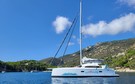
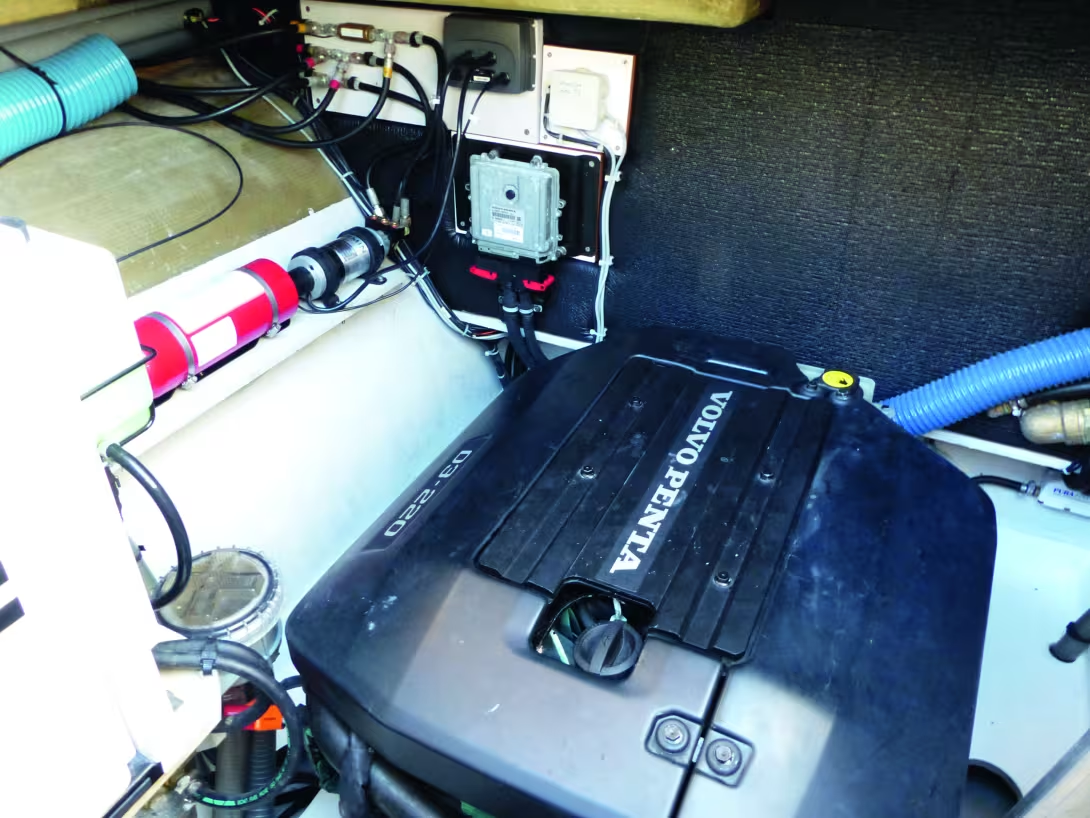
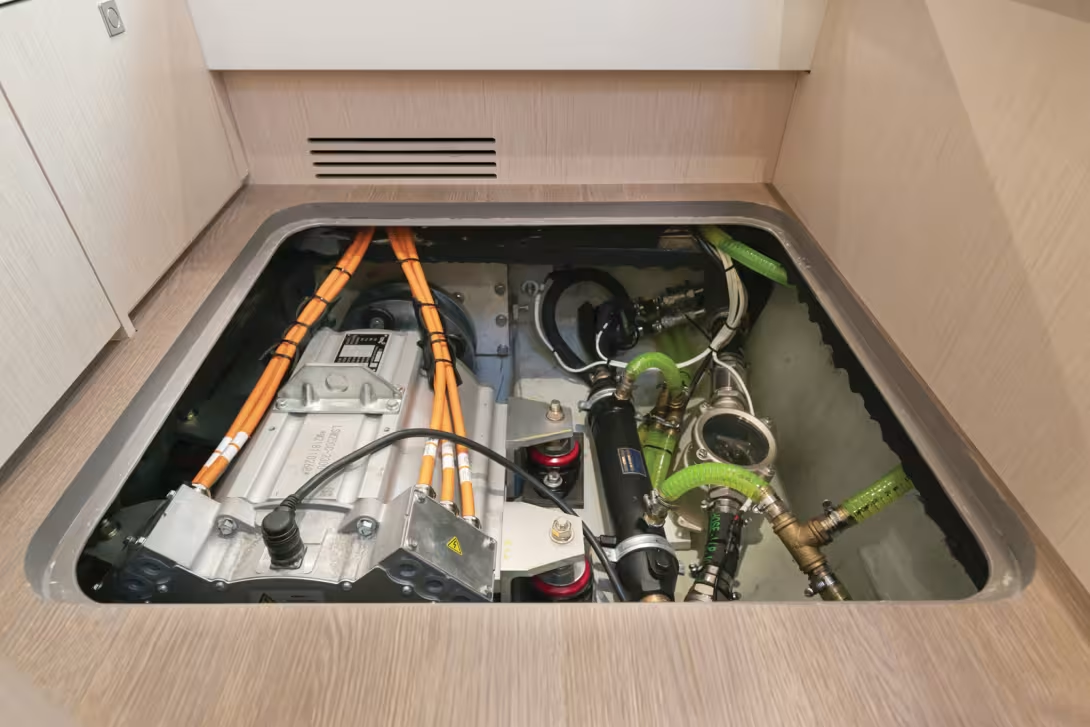
Internal combustion engine vs Electric propulsion
Steven Guedeu has been Sales Director at the Fountaine Pajot Group since 2011. The French boatbuilder was one of the first (as early as 1998) to bet on power catamarans. In 2013, Steven was part of the launch of the Fontaine Pajot Motor Yachts brand, and today he’s explaining why the shipyard remains faithful to the internal combustion engine.
Michael Kölher is the founder and director of Silent Yachts - a brand that appeared in 2015. He has sailed more than 75,000 miles on his boats around the world. He was one of the global pioneers of electric motorization by integrating this means of propulsion on a catamaran back in 2009. We asked him what his vision is today.
Image
Image
1
/
1

Publié le
03/11/2020
Par
Norbert Conchin
Numéro :
15
Parution :
Jan.
/
Feb.
2021
For the internal combustion engine - By Steven Guedeu At the beginning of the 2000s, early models like the Maryland 37 or the Greenland 34 were considered more as trawler yachts. The Highland 35 changed that situation in 2005, followed by the Queensland 55 in 2009. These two powercats had increased power and were able to reach 20 knots. This meant that they started to become rivals to traditional powerboats. Based on his direct contact with customer demand, Steven justifies the choices made by the shipyard: “Sales of trawler yachts didn’t really take off: from 2013, our motoryacht ra…